
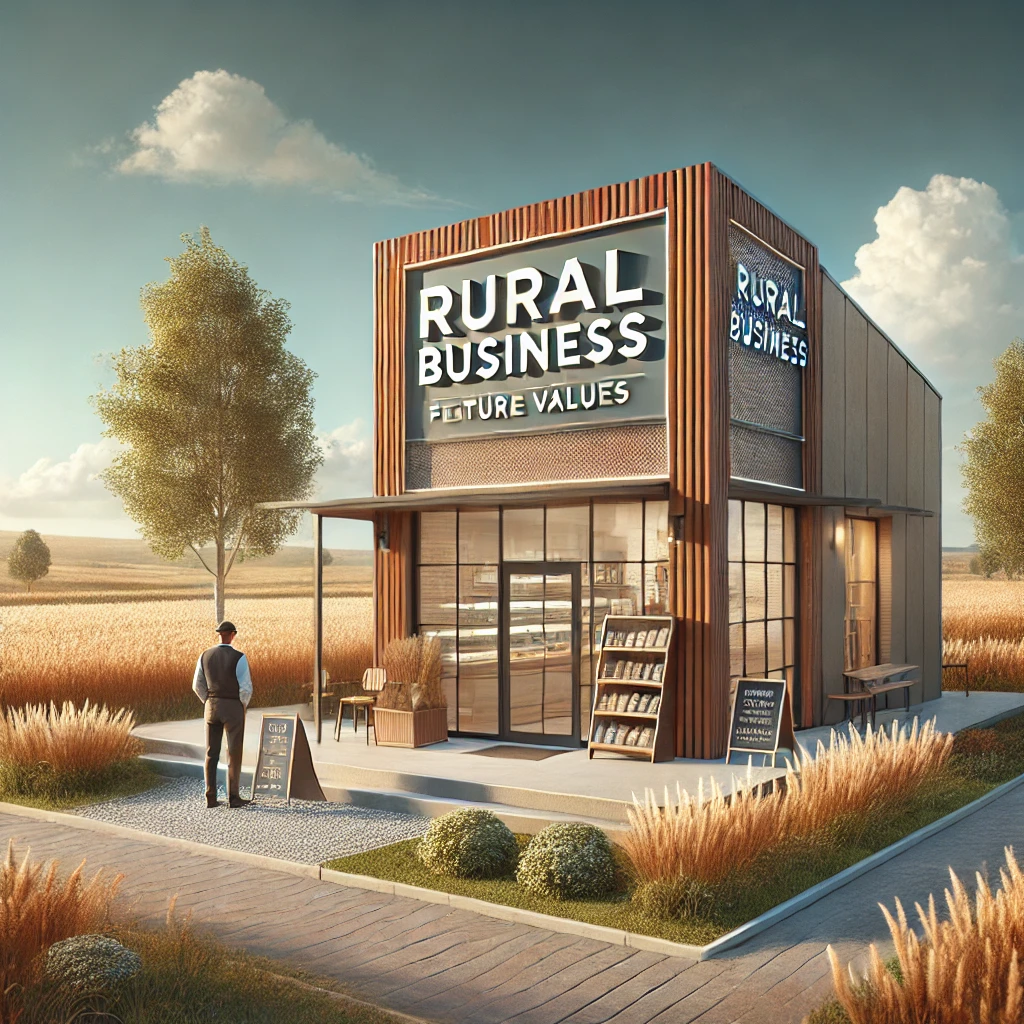
In an era where change is constant and businesses often chase the latest trends to stay competitive, the power of tradition can sometimes be overlooked. But in rural America, where values run deep and communities are tightly knit, these traditional principles aren’t just remnants of the past—they are the cornerstone of sustainable success. At Elevation, we believe that merging these enduring rural values with modern business strategies is not just a recipe for survival, but a blueprint for thriving in today’s dynamic marketplace.
1. Hard Work: The Foundation of Success
In rural America, the value of hard work is ingrained from a young age. It’s seen in the farmer up at dawn tending to the fields, the small business owner burning the midnight oil, and the community members who come together to support one another in times of need. This work ethic is not just about putting in long hours—it’s about the pride that comes from doing a job well, no matter how big or small.
For a business, hard work translates into consistency, reliability, and quality. It means showing up every day, giving your best, and delivering on your promises to customers. In a world where cutting corners and shortcuts are often the norm, businesses that embody this rural work ethic stand out. Customers notice the difference, and they reward it with their loyalty.
Moreover, the reputation of being a hard worker in a rural community is invaluable. In small towns, where everyone knows each other, word of mouth is powerful. A business known for its dedication and commitment quickly becomes a trusted name, and trust is a currency that never depreciates.
But hard work isn’t just about maintaining what you have—it’s also about growth. By consistently pushing yourself and your team to excel, you create a culture of excellence that drives innovation, improves efficiency, and ultimately, leads to greater success. It’s this relentless pursuit of betterment that separates the good from the great.
2. Integrity: Building Trust in a Small Community
Integrity isn’t just a value—it’s the bedrock upon which lasting relationships are built, especially in rural communities. In small towns, your word is your bond. When you promise something, whether it’s a product, a service, or simply your time, people expect you to deliver. And when you do, consistently and without fail, you build a reputation that sets you apart from others.
For a rural business, integrity means being transparent with customers, treating them fairly, and standing by your products or services. It’s about doing the right thing, even when no one is watching. This might seem like a given, but in today’s fast-paced, profit-driven world, integrity can sometimes fall by the wayside. However, in rural communities, where relationships are often long-term and deeply personal, maintaining integrity is crucial.
When your business is built on integrity, it fosters a sense of trust among your customers. And trust, once earned, is incredibly powerful. Customers who trust you are not only more likely to return but also more likely to recommend you to others. In rural areas, where everyone is connected, a single positive recommendation can have a significant impact on your business.
But integrity isn’t just about how you interact with customers—it’s also about how you treat your employees, your suppliers, and your community. When you run your business with integrity, you create an environment of mutual respect and fairness. This not only improves morale and productivity but also attracts like-minded individuals who share your values. In this way, integrity becomes a competitive advantage, setting your business apart in a crowded marketplace.
3. Community: The Power of Local Connections
One of the most defining characteristics of rural America is the strong sense of community. In small towns, people don’t just live near each other—they support each other, celebrate together, and stand by one another in tough times. This sense of belonging and mutual support is a powerful force that can significantly impact the success of a local business.
For rural businesses, community involvement is not just a nice-to-have—it’s essential. Being active in your community, whether through sponsoring local events, supporting other small businesses, or participating in community service, helps to build strong relationships and a positive reputation. When your business is seen as a valuable part of the community, people are more likely to support it.
Moreover, the support of the local community can be a crucial lifeline for rural businesses, especially during challenging times. Whether it’s a downturn in the economy, a natural disaster, or the impact of a global pandemic, having the backing of your community can make all the difference. Customers who feel a personal connection to your business are more likely to stick with you, even when times are tough.
But community involvement isn’t just about the immediate benefits—it’s also about the long-term impact. By investing in your community, you’re helping to create a stronger, more vibrant local economy. This, in turn, benefits your business, as a thriving community means more customers, more opportunities, and more growth.
Finally, being a part of the community also allows you to tap into local knowledge and resources. Whether it’s finding reliable suppliers, learning about local market trends, or simply getting advice from other business owners, being well-connected in your community gives you a significant advantage.
4. Resilience: Thriving in the Face of Adversity
Life in rural America is often marked by challenges. From harsh weather conditions and economic fluctuations to limited access to resources, rural businesses face unique obstacles that their urban counterparts might not encounter. However, it’s precisely these challenges that foster resilience—a quality that’s essential for long-term success.
Resilience in business means being able to adapt to changing circumstances, recover from setbacks, and continue moving forward despite difficulties. For rural businesses, this might mean finding creative solutions to problems, such as sourcing materials locally when supply chains are disrupted or pivoting to new products or services when demand shifts.
One of the key aspects of resilience is having a strong sense of purpose and a clear vision for your business. When you know what you’re working towards, it’s easier to stay motivated and keep pushing forward, even when the going gets tough. This sense of purpose is often deeply rooted in the values and traditions of rural communities, providing a solid foundation that helps businesses weather the storms.
Another important aspect of resilience is the ability to learn from experience. In rural areas, where resources may be limited, businesses often have to make do with what they have. This can lead to a lot of trial and error, but it also fosters innovation and problem-solving skills. Over time, these experiences build resilience, as you learn to navigate challenges more effectively and efficiently.
But resilience isn’t just about survival—it’s about thriving. By embracing the challenges that come your way, and using them as opportunities to grow and improve, you can build a stronger, more successful business. Resilience also builds confidence, both in yourself and in your business, which can be a powerful motivator for continued growth.
5. Tradition and Innovation: The Perfect Pairing
While traditional values are the bedrock of rural businesses, it’s important to recognize that they don’t have to stand in opposition to innovation. The most successful businesses are those that can honor their traditions while also embracing new ideas, technologies, and methods. This balance between tradition and innovation is what allows businesses to stay relevant and competitive in a rapidly changing market.
Tradition provides a strong foundation for your business, offering stability and a sense of identity. It’s what sets you apart from others and gives your business a unique character. However, in today’s fast-paced world, tradition alone may not be enough to ensure long-term success. That’s where innovation comes in.
Innovation doesn’t mean abandoning your traditions—instead, it means finding ways to enhance and build upon them. This could be as simple as using new technology to streamline your operations or as complex as rethinking your entire business model to better meet the needs of modern customers. The key is to stay true to your values while also being open to change.
One of the biggest advantages of rural businesses is their ability to offer a personalized, authentic experience that larger, more impersonal businesses often can’t. By combining this traditional, customer-focused approach with innovative strategies, such as online marketing or e-commerce, you can reach a broader audience and expand your business’s reach.
Moreover, innovation can help you stay ahead of the competition by allowing you to offer something new and different. Whether it’s a unique product, a new service, or a more efficient way of doing business, innovation keeps your business fresh and exciting. It also demonstrates to your customers that you’re committed to continuous improvement, which can enhance your reputation and customer loyalty.
Conclusion
In a world where trends come and go, and businesses are constantly evolving, the enduring power of tradition cannot be underestimated. For rural businesses, traditional values like hard work, integrity, community, and resilience are not just abstract concepts—they are the keys to long-term success. These values provide a strong foundation upon which to build, offering stability, trust, and a deep connection to the community.
At Elevation, we believe that the most successful businesses are those that can merge these time-honored rural values with modern business strategies. By staying true to your roots while also embracing innovation, you can elevate your business to new heights and thrive in today’s competitive landscape. So let’s honor the past, build for the future, and reach the summit together.
Remember, success is not just about how fast you climb, but how well you navigate the journey. With the right blend of tradition and innovation, your business can not only survive but thrive, no matter what challenges come your way.